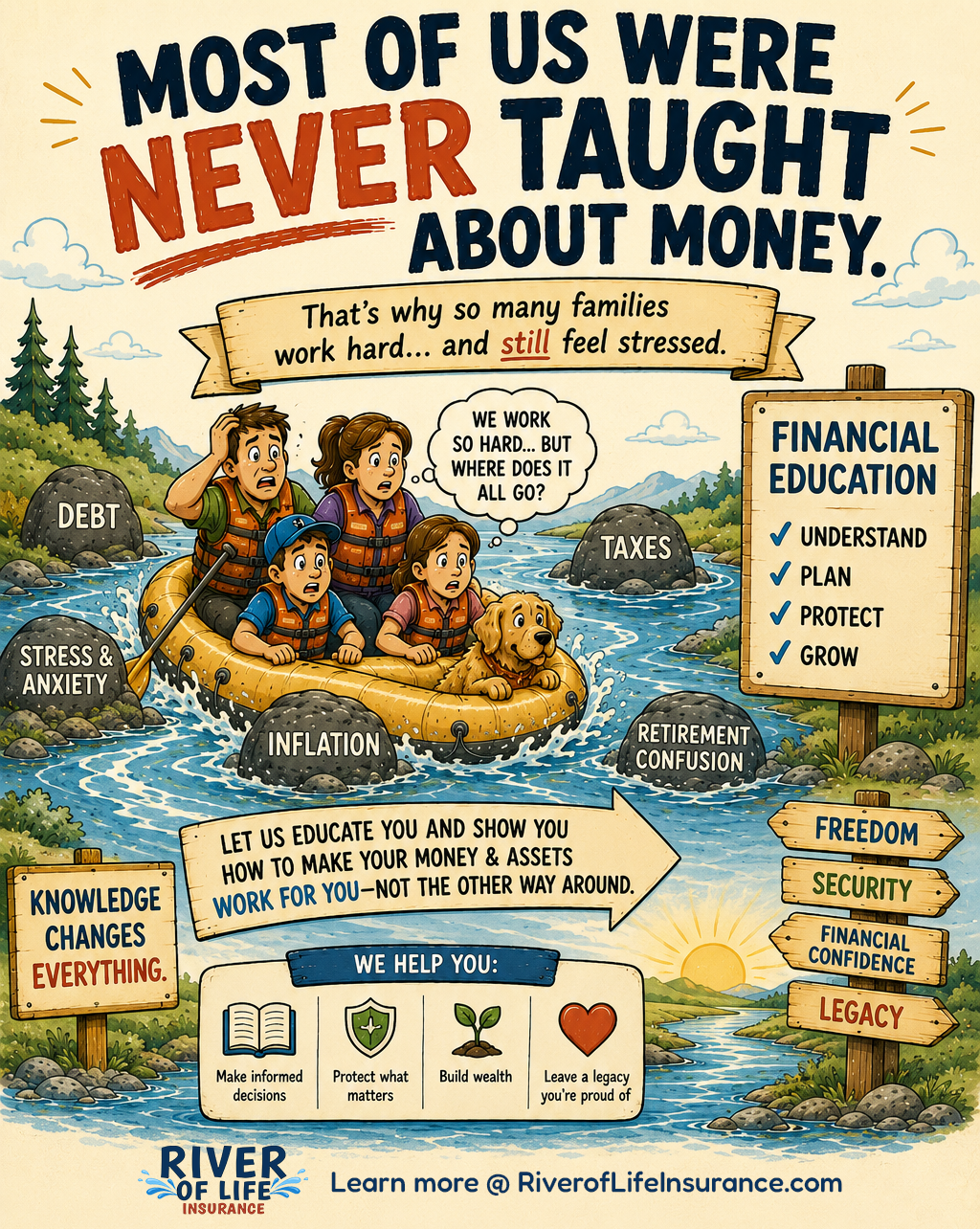
Before focusing on advanced strategies, make sure the basics are strong.
Understand cash flow. Know income, essential expenses, debt payments, savings, and investments.
Build emergency savings. A cash reserve helps prevent temporary problems from becoming expensive debt.
Manage high-cost debt. Expensive revolving debt can slow wealth accumulation.
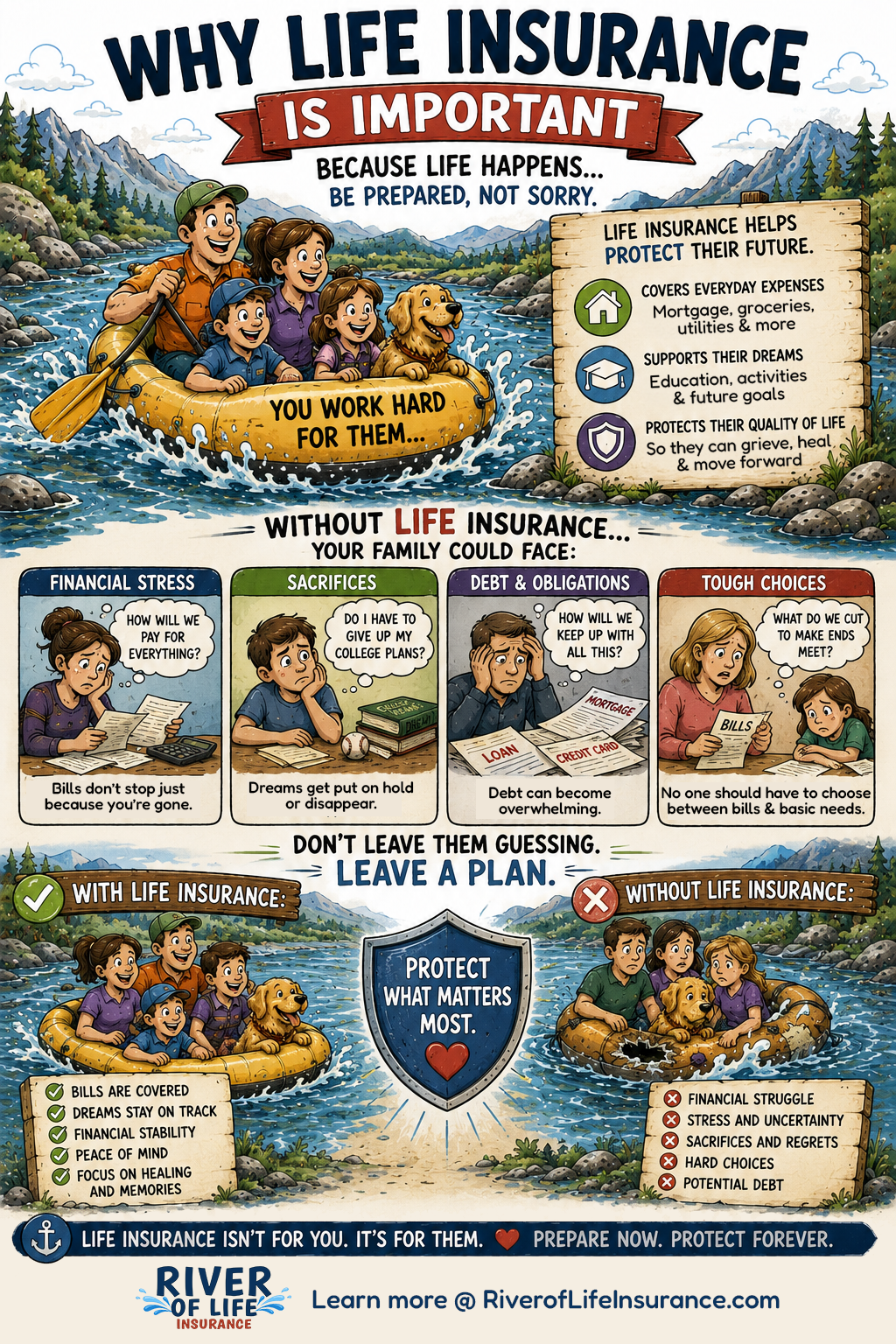
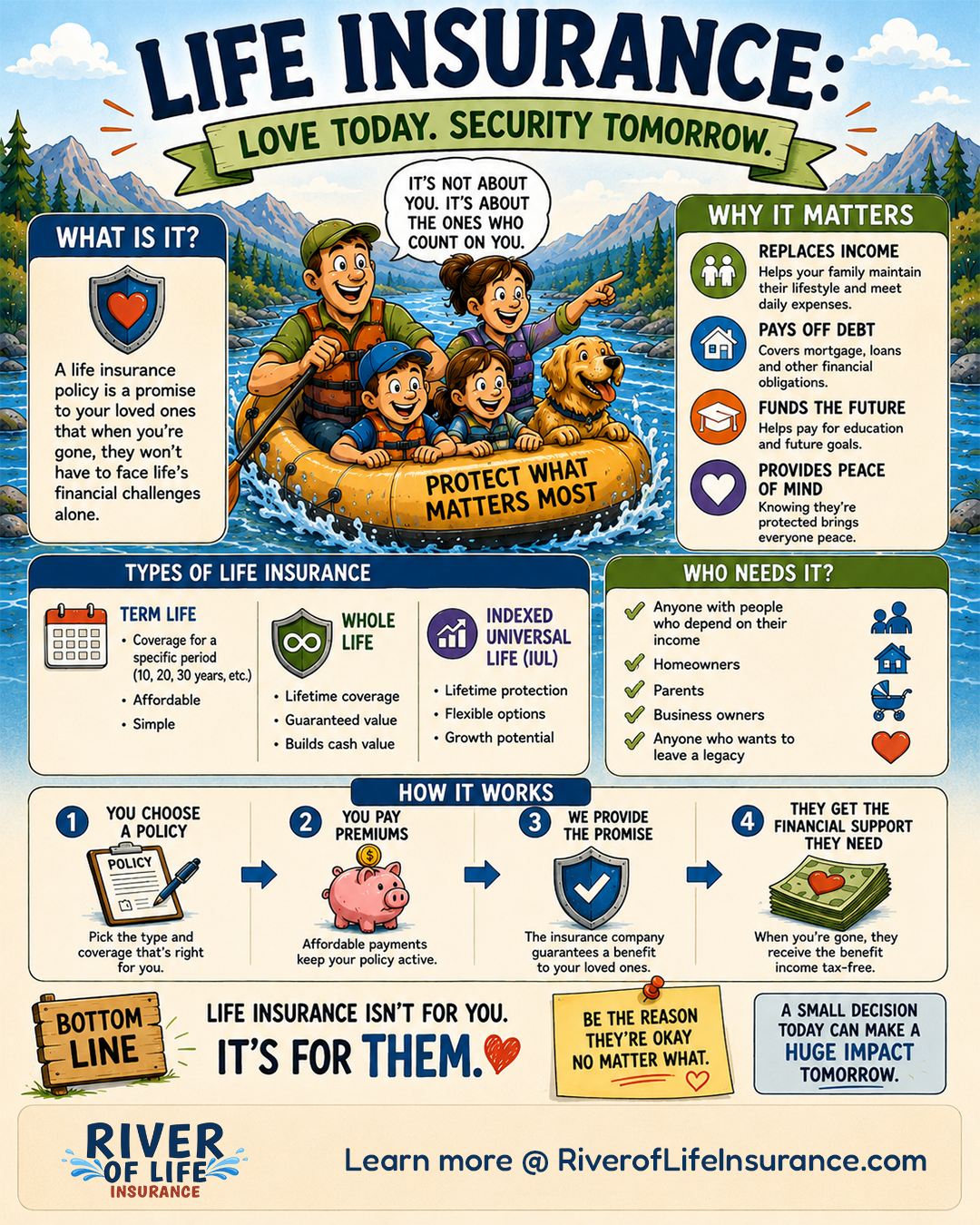
Protect catastrophic risks. Appropriate insurance may include health, property, disability, life, liability, and business coverage.
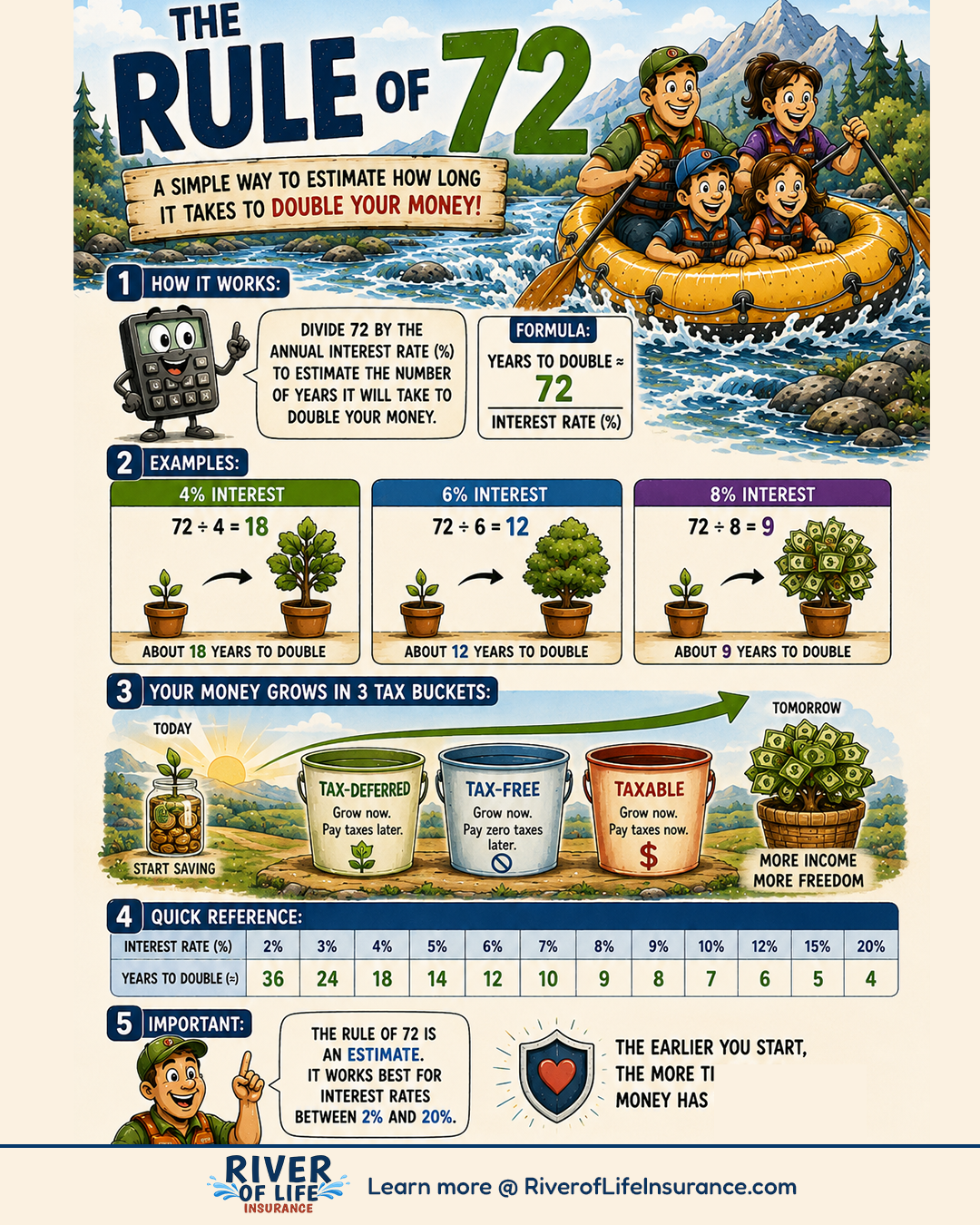
Save and invest for long-term goals. Retirement accounts, brokerage accounts, real estate, and business ownership may all play a role.
Create basic estate documents. Wills, powers of attorney, healthcare directives, and beneficiary designations provide clarity.
You build assets to create opportunity. You protect them so one unexpected event does not erase years of progress.
Start With the Financial Need
The most useful way to evaluate this topic is to begin with the financial problem rather than a product label. Identify who or what needs protection, how long the need is expected to last, what resources already exist, and what would happen if no additional planning were put in place. That framework makes it easier to separate necessary protection from optional features and to choose a solution that remains affordable over time.
The Details That Often Matter More Than Expected
Consumers frequently focus on the most visible feature of a policy, but long-term results can depend on less obvious details. In this case, pay attention to an appropriate emergency reserve, high-cost debt and required payments, and insurance against catastrophic risks. Also review consistent retirement and long-term saving and monthly cash flow and essential expenses. A small contractual detail can become important years later when someone wants to access money, change coverage, retire, sell a business, or transfer assets to heirs.
This is also why comparisons should use the same time horizon and the same objective. A product designed for temporary protection should not be judged by the same criteria as one designed for permanent coverage or retirement income. The relevant question is whether the product does its assigned job efficiently and predictably enough for the person using it.
Common Mistakes to Avoid
Ignoring high-interest debt. This can create a mismatch between what the owner expects and what the policy or strategy actually provides.
Underinsuring major risks while maximizing investments. The contract language and long-term economics matter more than a simplified label.
Using one generic savings percentage for every household. Liquidity, taxes, guarantees, and opportunity cost should be considered before committing money.
Pursuing advanced strategies before building basic liquidity. A strategy should be reviewed when the assumptions behind it materially change.
Investing emergency money in volatile or illiquid assets. The right tool is the one that solves the defined problem without creating a larger one elsewhere in the plan.
Questions for an Insurance or Financial Review
Bring these questions to the conversation: Which risks could financially derail the plan? What next step has the greatest effect on financial resilience? Is monthly cash flow consistently positive? Then confirm how long could the household operate after an income disruption? and which debts are costing the most? A clear answer should include both the benefit and the tradeoff, not just the most favorable feature.
When to Review This Part of the Plan
This topic deserves another look whenever the assumptions behind the original decision change. Useful review triggers include after an income change, debt payoff, emergency-fund use, major purchase, new dependent, job loss, or substantial increase in savings capacity. A review does not automatically mean a policy should be replaced or a strategy should be changed. It is simply a checkpoint to confirm that the original need still exists, the contract is behaving as expected, and the current plan still fits the household or business. If a replacement is being considered, compare the existing and proposed coverage carefully before giving up benefits, guarantees, pricing, or rights that may be difficult to recreate later.
Bottom Line
The best answer is the one that fits the actual financial objective, remains affordable, and is understood well enough to manage over time. Review the policy contract rather than relying only on marketing language, and distinguish guaranteed provisions from projections or assumptions. When tax, legal, estate, investment, or complex business issues are involved, general education should be paired with advice from the appropriately qualified professional.