A $500,000 life insurance policy does not have one standard price. Two people applying for the same death benefit can receive very different premiums because life insurance pricing is based on risk.
Insurers may consider age, health history, tobacco or nicotine use, height and weight, prescription history, family medical history, driving record, occupation, hobbies, policy type, and coverage duration.
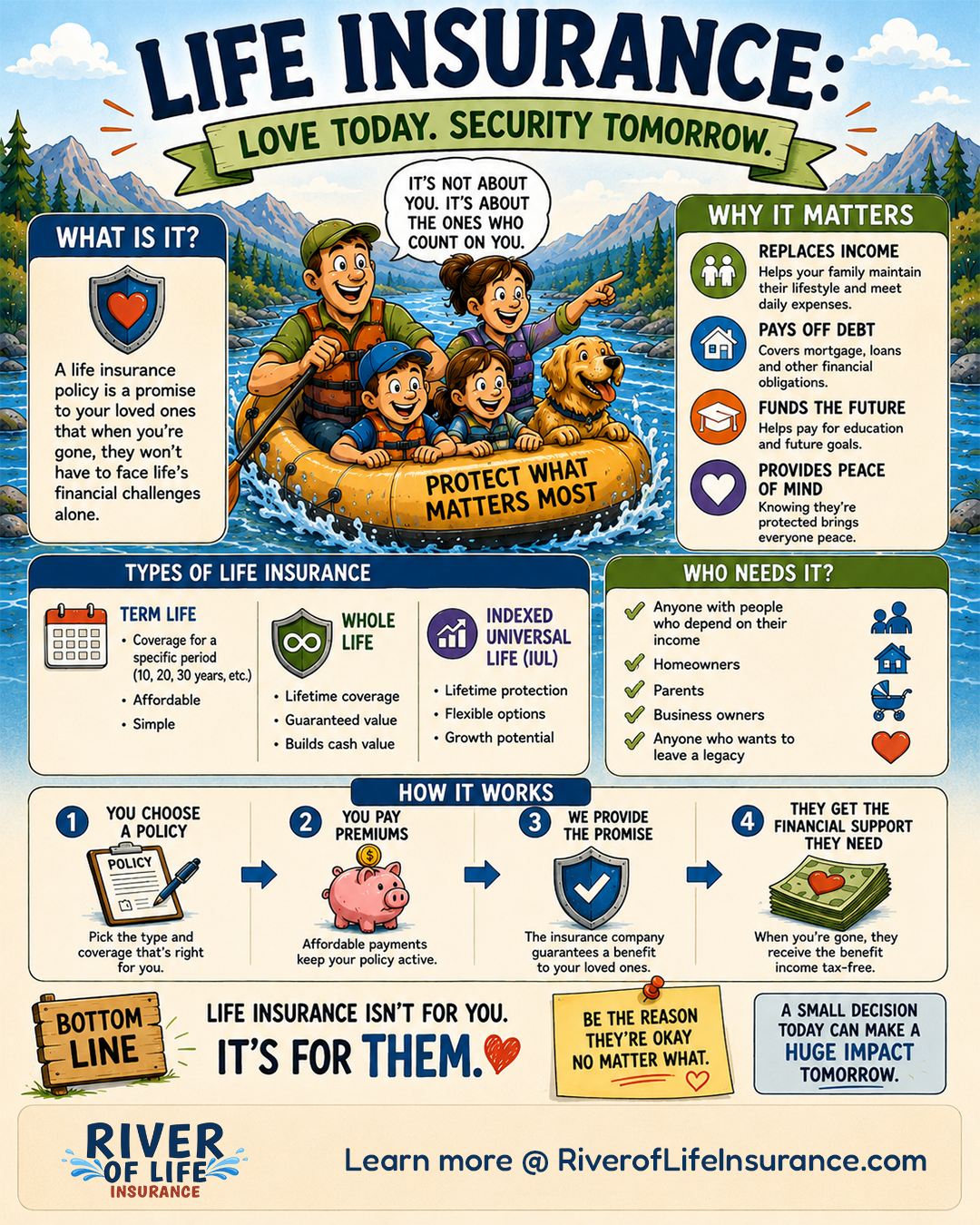
Term vs. Permanent Coverage
A $500,000 term policy will generally have a lower initial premium than a $500,000 permanent policy because term insurance focuses primarily on temporary death benefit protection.
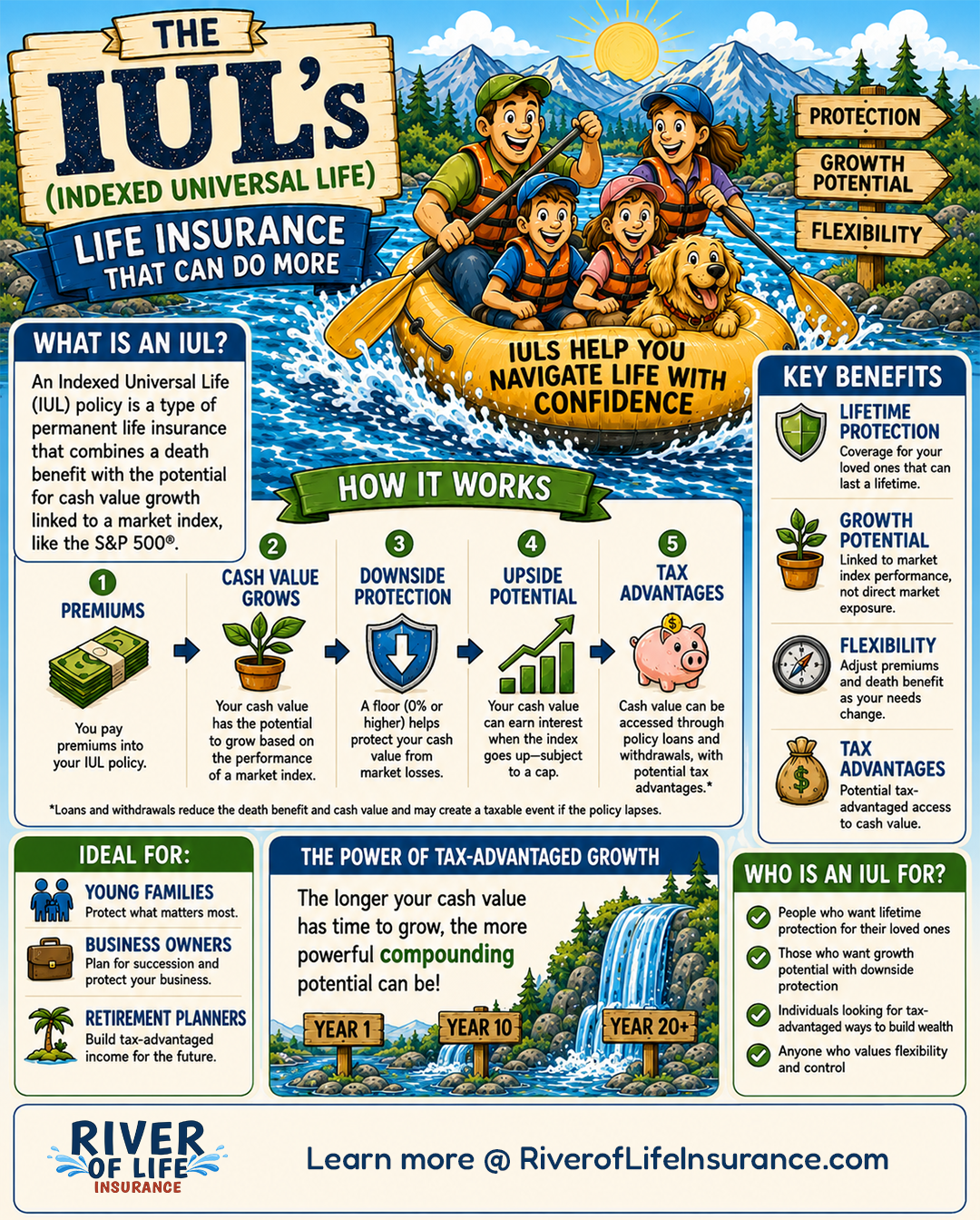
Permanent insurance may be designed to remain in force for life and may include cash value, guarantees, or flexible features.
Online rate examples can be misleading because they often assume an ideal health classification. The actual premium is determined after underwriting.
Before focusing only on price, determine whether $500,000 is actually the right amount. Consider income replacement, mortgage debt, children, education goals, existing coverage, savings, and business obligations.
The best policy is not the one with the lowest advertised rate. It is the policy that provides the right amount of protection at a premium you can realistically maintain.
Why There Is No One-Size-Fits-All Number
Questions about cost or amount sound as though they should have a single numerical answer, but insurance pricing and planning depend on multiple variables. Age, health, underwriting class, coverage amount, policy design, time horizon, and the purpose of the coverage can all change the result. A useful estimate therefore begins with the underlying need and then compares actual policy options. Online examples can be helpful for orientation, but they should not be mistaken for an underwriting offer or an individualized recommendation.
The Details That Often Matter More Than Expected
Consumers frequently focus on the most visible feature of a policy, but long-term results can depend on less obvious details. In this case, pay attention to whether the question depends on underwriting or individual circumstances, policy ownership and beneficiary structure, and the timing of coverage, claims, or policy changes. Also review whether tax or legal rules affect the answer and the exact terms of the insurance contract. A small contractual detail can become important years later when someone wants to access money, change coverage, retire, sell a business, or transfer assets to heirs.
This is also why comparisons should use the same time horizon and the same objective. A product designed for temporary protection should not be judged by the same criteria as one designed for permanent coverage or retirement income. The relevant question is whether the product does its assigned job efficiently and predictably enough for the person using it.
Common Mistakes to Avoid
Making beneficiary or ownership changes without understanding consequences. This can create a mismatch between what the owner expects and what the policy or strategy actually provides.
Canceling existing coverage before a replacement is active. The contract language and long-term economics matter more than a simplified label.
Using outdated information for a long-term policy decision. Liquidity, taxes, guarantees, and opportunity cost should be considered before committing money.
Assuming a short general answer applies to every carrier and contract. A strategy should be reviewed when the assumptions behind it materially change.
Relying on an online quote as an underwriting decision. The right tool is the one that solves the defined problem without creating a larger one elsewhere in the plan.
Questions for an Insurance or Financial Review
Bring these questions to the conversation: Is there a deadline I need to know about? Who should review this decision before I act? What does my specific policy say? Then confirm does this depend on my age, health, or underwriting? and would changing the policy affect the death benefit or taxes? A clear answer should include both the benefit and the tradeoff, not just the most favorable feature.
When to Review This Part of the Plan
This topic deserves another look whenever the assumptions behind the original decision change. Useful review triggers include whenever the answer could depend on policy-specific wording, a deadline, underwriting, beneficiary status, or a legal or tax rule that may not apply the same way to everyone. A review does not automatically mean a policy should be replaced or a strategy should be changed. It is simply a checkpoint to confirm that the original need still exists, the contract is behaving as expected, and the current plan still fits the household or business. If a replacement is being considered, compare the existing and proposed coverage carefully before giving up benefits, guarantees, pricing, or rights that may be difficult to recreate later.
Bottom Line
The best answer is the one that fits the actual financial objective, remains affordable, and is understood well enough to manage over time. Review the policy contract rather than relying only on marketing language, and distinguish guaranteed provisions from projections or assumptions. When tax, legal, estate, investment, or complex business issues are involved, general education should be paired with advice from the appropriately qualified professional.