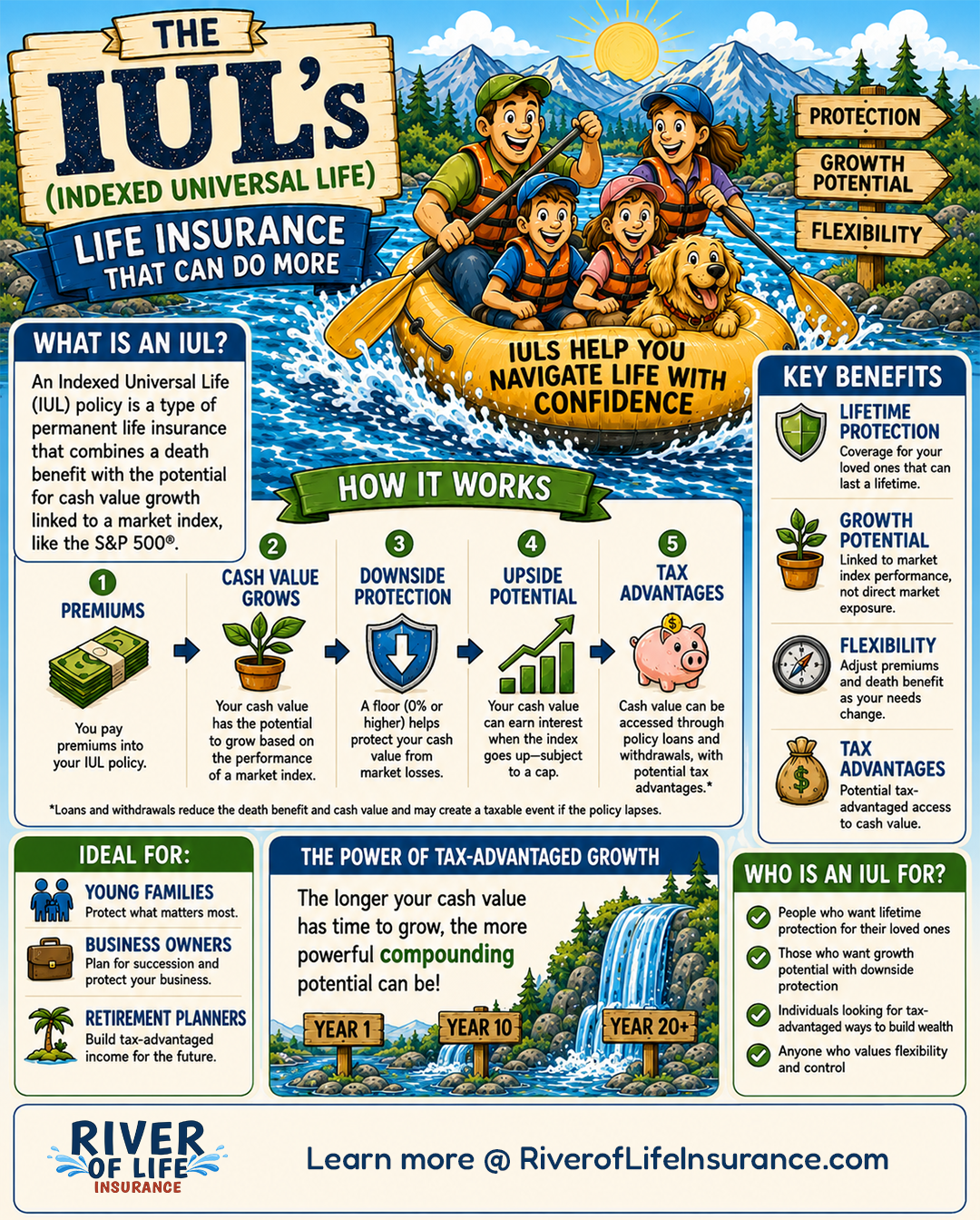
Life insurance can seem complicated when you first start looking at policies, but the basic concept is fairly simple.
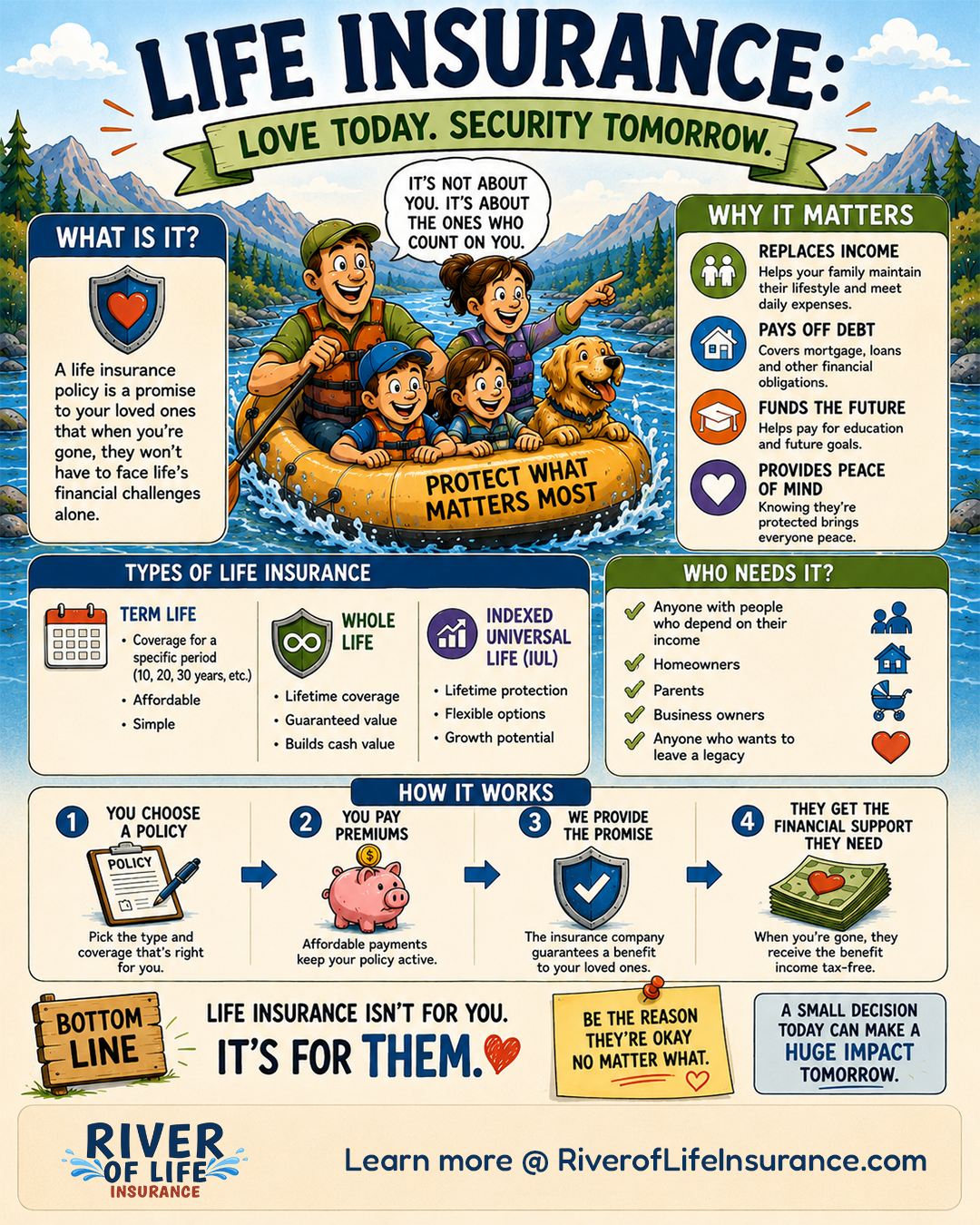
You make payments to an insurance company in exchange for financial protection. If you die while the policy is in force and its requirements have been met, the insurance company pays a death benefit to the beneficiary or beneficiaries named on the policy.
That money can help the people you leave behind continue moving forward financially.
The Main Parts of a Life Insurance Policy
Most life insurance policies involve several important components.
The policy owner controls the policy. The owner may be the person being insured, another individual, a business, or in some circumstances a trust.
The insured is the person whose life is covered.
The beneficiary is the person or entity designated to receive the death benefit.
The premium is the amount required to keep the policy in force according to its terms.
The death benefit is the amount the insurance company agrees to pay when a covered death occurs.
Some types of permanent life insurance also include cash value, which can accumulate inside the policy over time.
What Happens When Someone Applies?
When you apply for coverage, the insurance company evaluates the risk of insuring you. This process is called underwriting.
Depending on the carrier, policy type, amount of coverage, age, and health history, underwriting may include questions about your:
- Age
- Medical history
- Medications
- Family health history
- Tobacco use
- Occupation
- Hobbies
- Driving history
- Financial circumstances
Some applicants may qualify for accelerated or simplified underwriting, while others may need medical records, laboratory work, or an insurance medical exam.
Once underwriting is complete, the insurer determines whether it will offer coverage and at what premium.
What Can Life Insurance Be Used For?
Life insurance proceeds can generally be used by beneficiaries for whatever they need.
Common uses include:
- Replacing lost household income
- Paying a mortgage or other debts
- Covering funeral expenses
- Supporting children
- Funding education
- Providing money for a surviving spouse
- Paying estate-related expenses
- Supporting a family business
- Creating an inheritance
- Charitable giving
Life insurance can therefore serve very different purposes depending on the family or business purchasing it.
Term vs. Permanent Coverage
One of the biggest decisions is whether you need temporary or permanent protection.
Term life insurance generally provides coverage for a specified period, such as 10, 20, or 30 years.
Permanent life insurance is designed to potentially remain in force for life when properly funded and maintained according to the policy terms. Depending on the product, permanent coverage may also build cash value.
Neither category is automatically better.
The right choice depends on what you are trying to accomplish.
How Much Coverage Do You Need?
There is no universal amount.
A thoughtful life insurance analysis should consider obligations such as:
- Current income
- Years of income replacement needed
- Mortgage balance
- Consumer debt
- Education funding goals
- Childcare costs
- Final expenses
- Existing savings and investments
- Existing life insurance
- Business obligations
Someone with young children and a large mortgage may need very different coverage from someone approaching retirement with substantial assets.
Life Insurance Is Really About the People Who Depend on You
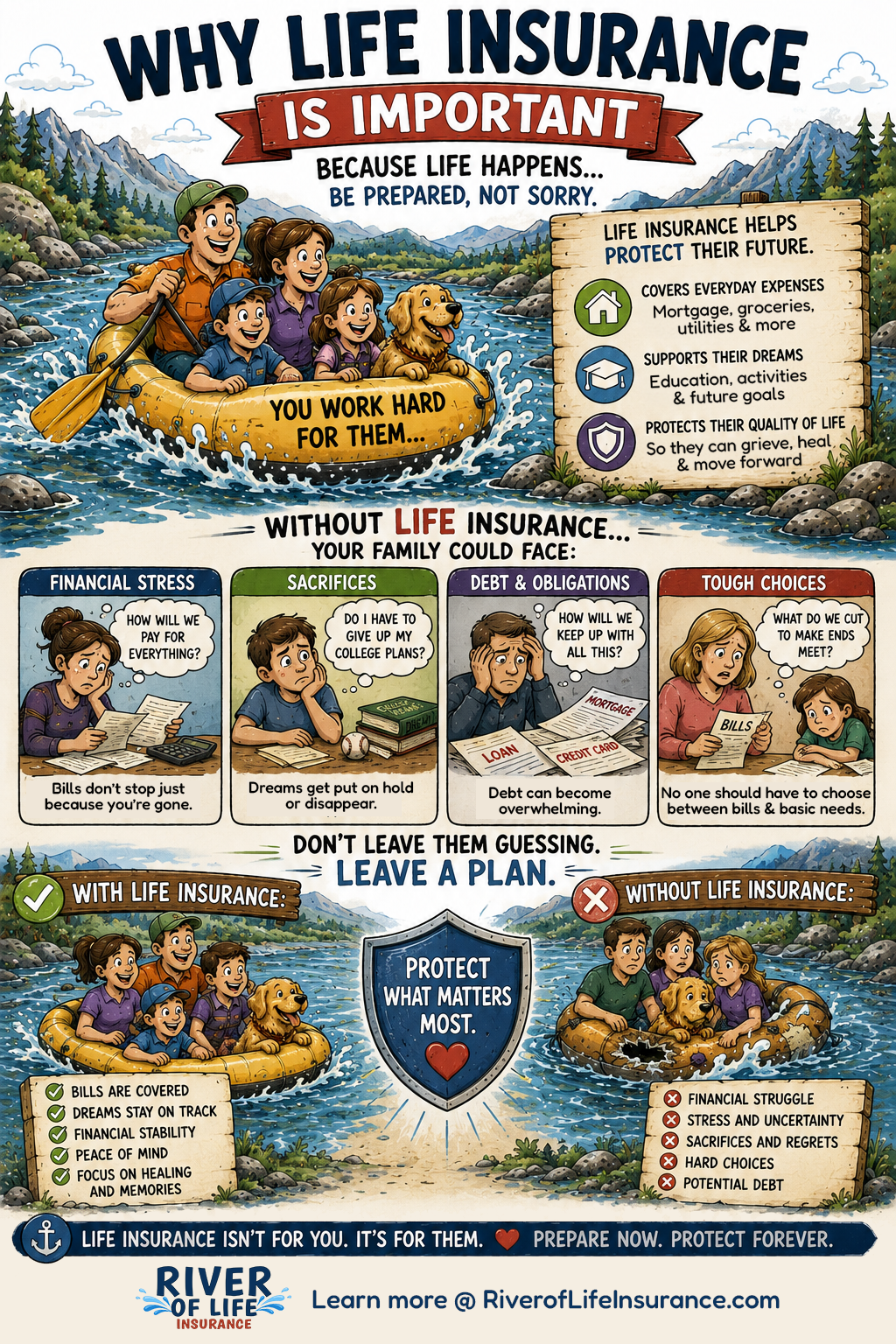
People often think life insurance is about death.
In practice, it is more useful to think about it as a financial planning tool for the people who are still living.
The purpose is to ask one important question:
If my income, financial support, or contribution to my family suddenly disappeared, what would happen next?
A properly designed life insurance strategy can help make sure the answer does not involve unnecessary financial hardship.