Fixed annuities and fixed indexed annuities are both insurance contracts that may be used for retirement accumulation and income planning.
A traditional fixed annuity generally credits interest according to a rate declared or guaranteed under the contract.
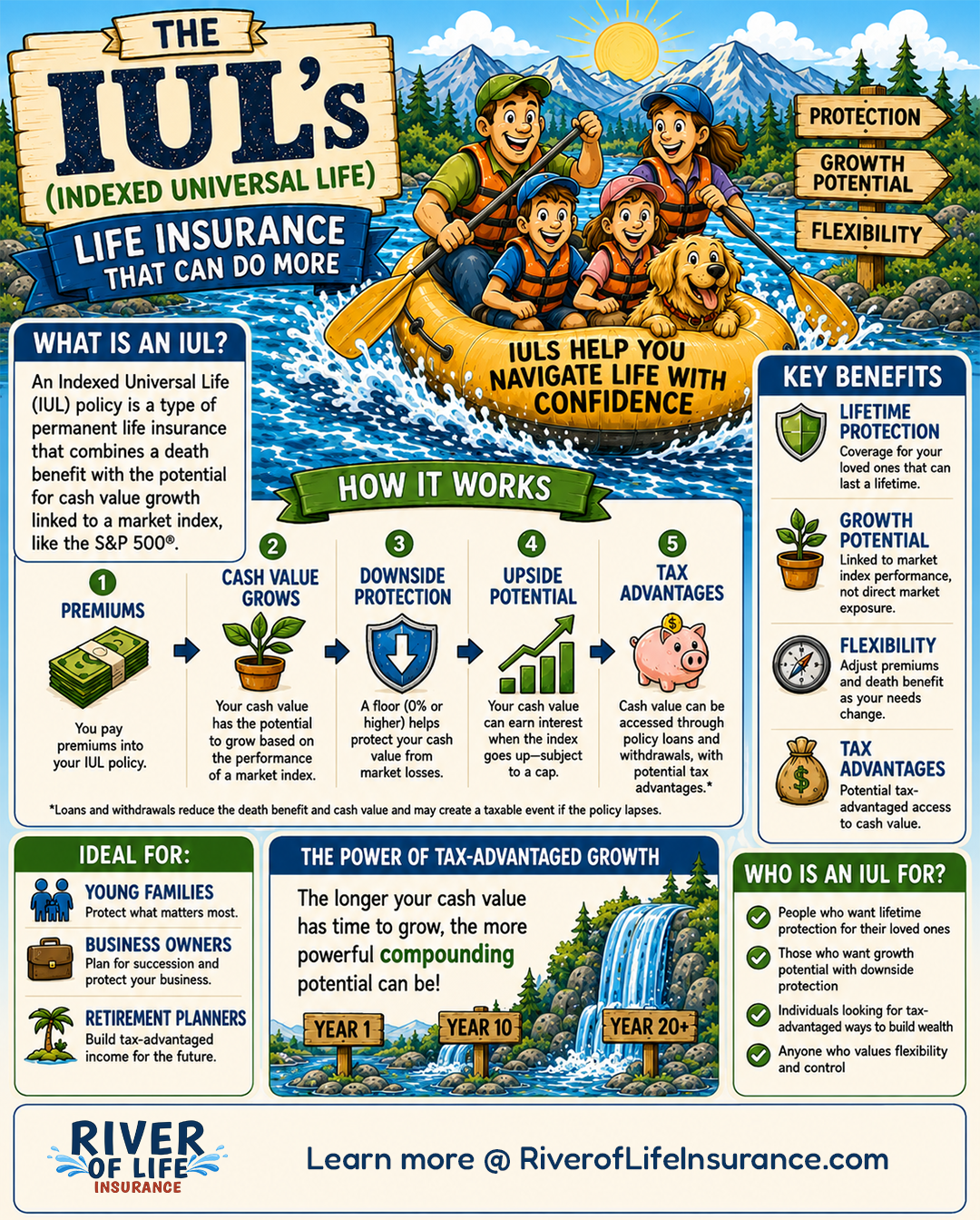
A fixed indexed annuity, or FIA, may credit interest based partly on the performance of an external market index. The owner is not directly invested in that index.
Indexed annuities may use caps, participation rates, spreads, or other crediting methods that affect how much interest is credited.
Both types may offer options for generating retirement income. Both may also include surrender periods and liquidity restrictions.
Traditional fixed annuities may appeal to someone who wants a more directly stated interest rate. Fixed indexed annuities may appeal to someone who wants principal protection features combined with index-linked crediting potential.
Neither is universally better. The right contract depends on time horizon, income needs, liquidity, and the role the money needs to play.
Compare the Job Before You Compare the Product
A comparison is only meaningful when both options are being evaluated against the same goal. One product may emphasize protection, another accumulation, another liquidity, and another guaranteed income. If the objective is unclear, it is easy to declare a winner based on one attractive feature while ignoring a more important tradeoff. Compare duration, guarantees, access to money, costs, risks, and what happens if circumstances change before deciding which option fits better.
What Could Make This Strategy Work Well?
The strategy is more likely to fit when the underlying need is clear and the financial assumptions are realistic. Important elements include premium commitment and total long-term cost, the financial problem each product is designed to solve, and the length of the coverage need. The plan should also leave room for guarantees versus non-guaranteed assumptions and liquidity and access to value rather than assuming life will unfold exactly as projected.
Affordability matters as much as design. A policy that looks excellent on an illustration but requires a premium the owner cannot comfortably maintain may be a poor fit. The same is true of a strategy that ties up money needed for emergencies or forces someone to take more risk elsewhere just to keep the policy in force.
Common Mistakes to Avoid
Comparing products only by premium. This can create a mismatch between what the owner expects and what the policy or strategy actually provides.
Comparing an insurance contract with an investment account as though their objectives are identical. The contract language and long-term economics matter more than a simplified label.
Ignoring surrender charges or conversion rights. Liquidity, taxes, guarantees, and opportunity cost should be considered before committing money.
Treating illustrations as promises. A strategy should be reviewed when the assumptions behind it materially change.
Choosing the product before defining the financial need. The right tool is the one that solves the defined problem without creating a larger one elsewhere in the plan.
A Practical Decision Checklist
Before acting, be able to answer the following in plain language:
Which features are guaranteed?
How accessible is the money if circumstances change?
What are the long-term costs and commitments?
Which risks does each option transfer or retain?
What is the primary objective: protection, accumulation, income, or legacy?
The objective is not to memorize product terminology. It is to understand the financial consequences well enough to know what you are agreeing to and why.
When to Review This Part of the Plan
This topic deserves another look whenever the assumptions behind the original decision change. Useful review triggers include before replacing existing coverage, before surrendering a permanent policy, when a term conversion deadline approaches, or when the financial objective has changed. A review does not automatically mean a policy should be replaced or a strategy should be changed. It is simply a checkpoint to confirm that the original need still exists, the contract is behaving as expected, and the current plan still fits the household or business. If a replacement is being considered, compare the existing and proposed coverage carefully before giving up benefits, guarantees, pricing, or rights that may be difficult to recreate later.
Bottom Line
The best answer is the one that fits the actual financial objective, remains affordable, and is understood well enough to manage over time. Review the policy contract rather than relying only on marketing language, and distinguish guaranteed provisions from projections or assumptions. When tax, legal, estate, investment, or complex business issues are involved, general education should be paired with advice from the appropriately qualified professional.