The word “annuity” describes a broad category of insurance contracts.
A fixed annuity generally credits interest according to rates established under the contract and emphasizes predictability.
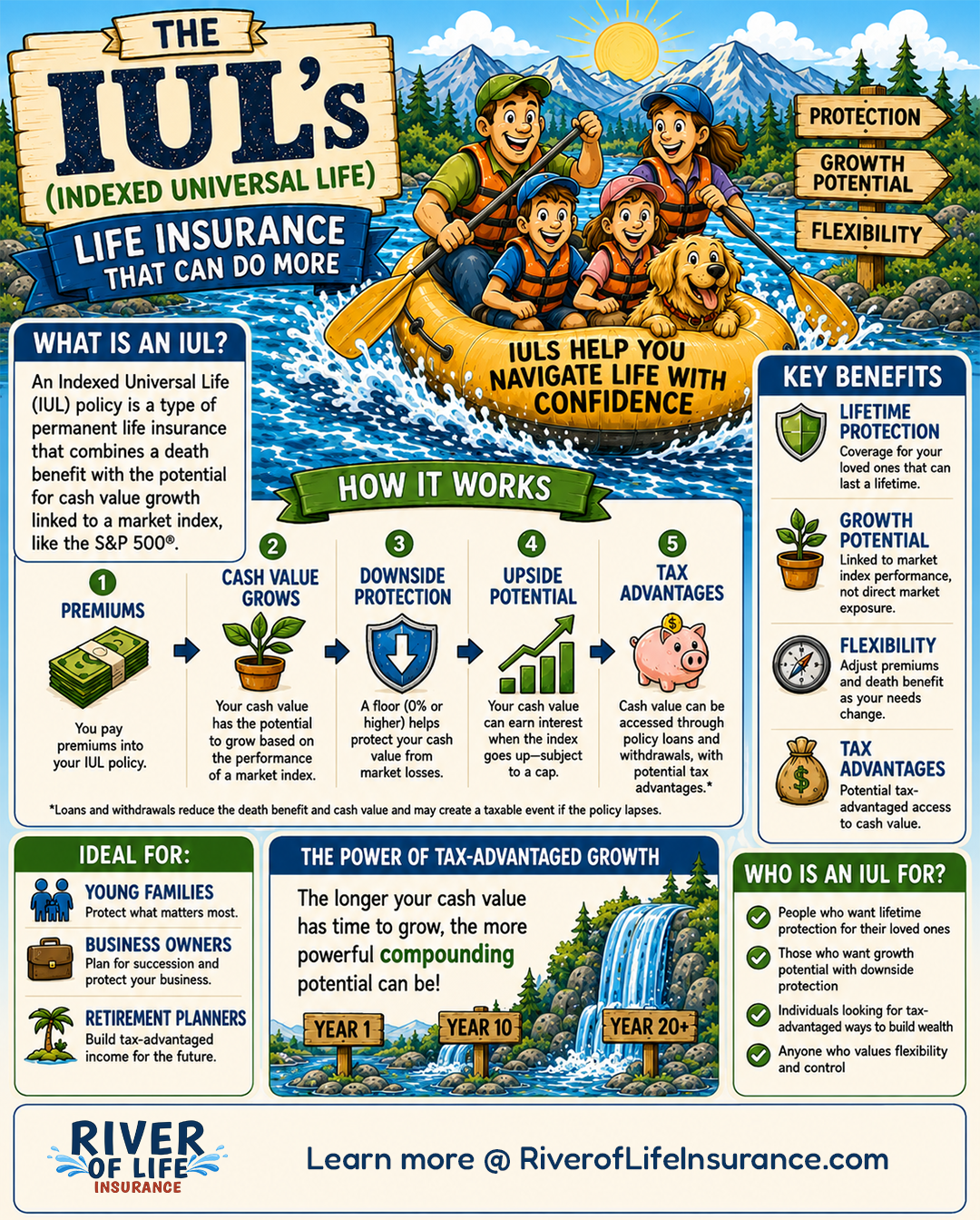
A fixed indexed annuity may credit interest based partly on an external market index while providing protection from direct index losses according to contract terms.
A variable annuity may offer investment subaccounts whose values rise and fall with market performance and therefore involve investment risk.
An immediate annuity generally begins providing income relatively soon after purchase, while a deferred annuity delays income and allows value to accumulate first.
There is no universally best type. The right contract depends on time horizon, desired income, liquidity needs, risk tolerance, legacy goals, and the value you place on guarantees.
Start With the Financial Need
The most useful way to evaluate this topic is to begin with the financial problem rather than a product label. Identify who or what needs protection, how long the need is expected to last, what resources already exist, and what would happen if no additional planning were put in place. That framework makes it easier to separate necessary protection from optional features and to choose a solution that remains affordable over time.
Factors That Deserve a Closer Look
Several details can materially change the answer. Start with surrender periods and available withdrawal provisions and how interest or indexed crediting is calculated, because those usually determine the size or structure of the need. Then look at income-rider costs and contractual guarantees, the financial strength and claims-paying ability of the issuing insurer, and the purpose of the annuity within the retirement plan. Considering these together helps prevent a decision based on one attractive feature while overlooking a cost, limitation, or risk that matters more over the long term.
A good planning discussion should also distinguish between what is known today and what may change later. Income, health, family structure, business value, interest-crediting terms, and tax rules can all evolve. That does not mean the strategy must constantly change, but it does mean the plan should be reviewed when the assumptions behind it change.
Common Mistakes to Avoid
Assuming an indexed annuity directly owns the referenced index. This can create a mismatch between what the owner expects and what the policy or strategy actually provides.
Putting emergency money into a long surrender schedule. The contract language and long-term economics matter more than a simplified label.
Selecting a product only because of a bonus or headline rate. Liquidity, taxes, guarantees, and opportunity cost should be considered before committing money.
Buying an annuity without understanding liquidity limits. A strategy should be reviewed when the assumptions behind it materially change.
Comparing illustrated income values with cash surrender values as though they are the same. The right tool is the one that solves the defined problem without creating a larger one elsewhere in the plan.
Five Questions to Ask Before Moving Forward
Which guarantees apply to income and which values are not guaranteed?
What happens to the remaining value at death?
What specific retirement problem is this annuity solving?
How long is the surrender-charge period?
How much can be withdrawn without a surrender charge?
If those questions cannot be answered clearly, the decision is probably being made too early. Insurance and retirement products can contain important guarantees, limitations, surrender provisions, loan rules, or underwriting conditions that are easy to miss when attention is focused on a single headline number.
When to Review This Part of the Plan
This topic deserves another look whenever the assumptions behind the original decision change. Useful review triggers include before a surrender period ends, before beginning income, after a major liquidity change, when retirement timing changes, or when an income rider is being activated. A review does not automatically mean a policy should be replaced or a strategy should be changed. It is simply a checkpoint to confirm that the original need still exists, the contract is behaving as expected, and the current plan still fits the household or business. If a replacement is being considered, compare the existing and proposed coverage carefully before giving up benefits, guarantees, pricing, or rights that may be difficult to recreate later.
Bottom Line
The best answer is the one that fits the actual financial objective, remains affordable, and is understood well enough to manage over time. Review the policy contract rather than relying only on marketing language, and distinguish guaranteed provisions from projections or assumptions. When tax, legal, estate, investment, or complex business issues are involved, general education should be paired with advice from the appropriately qualified professional.