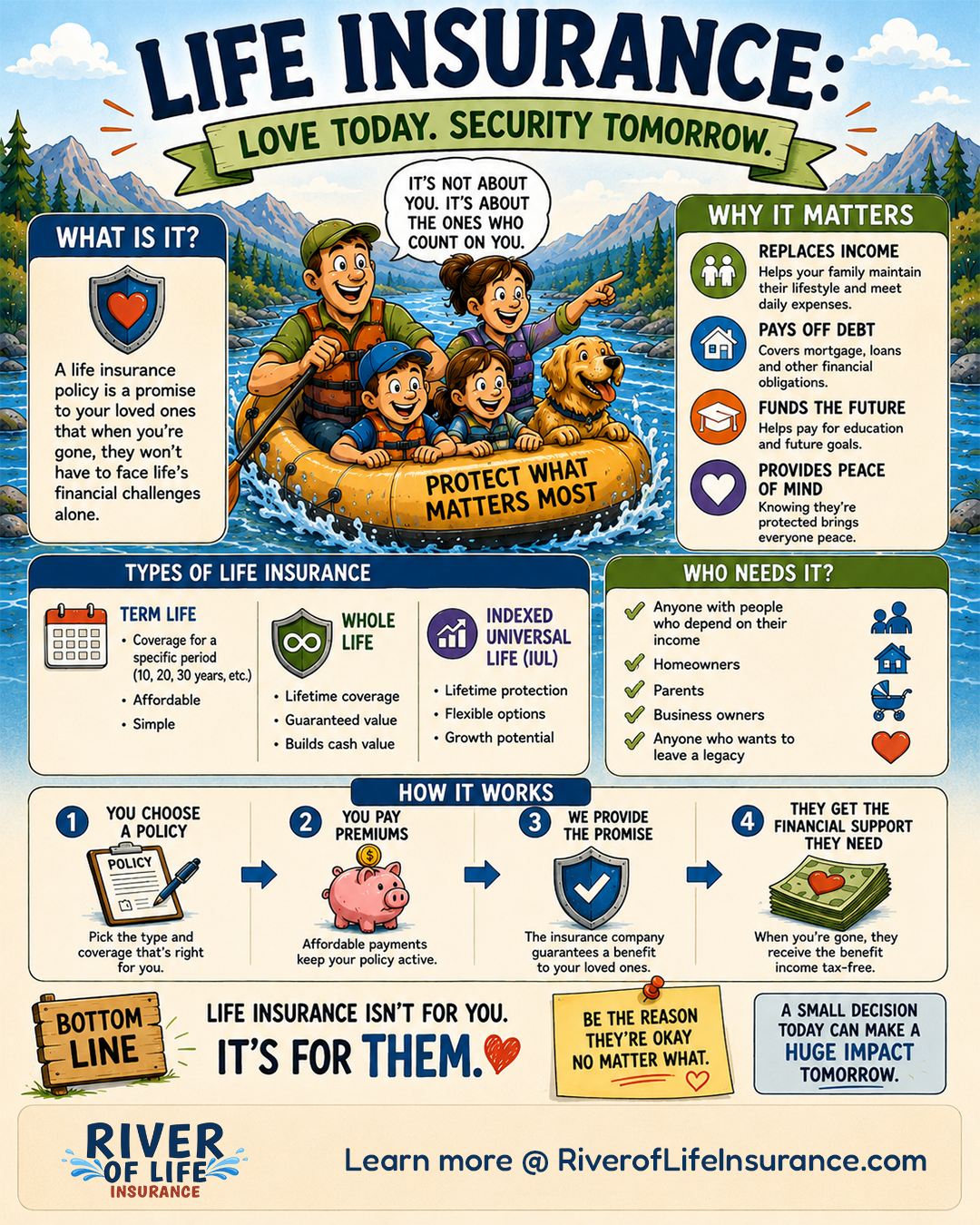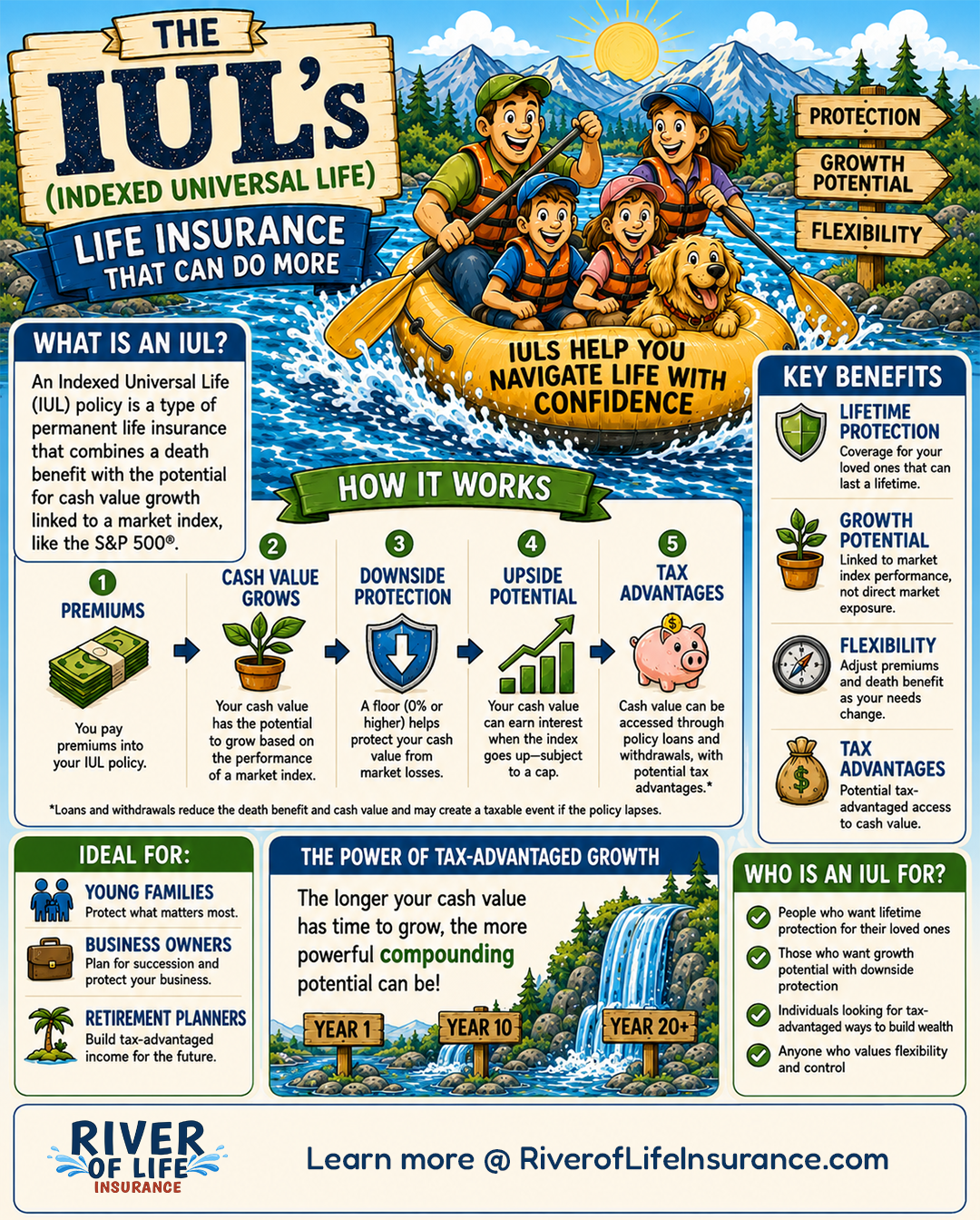
Certain permanent life insurance policies may accumulate cash value that can potentially become one source of liquidity during retirement.
People may consider these policies because of permanent death benefit protection, tax-deferred cash value accumulation, potential access to policy value, and legacy benefits.
Important Tax Considerations
Calling all policy distributions “tax-free retirement income” is too simplistic. Tax consequences can depend on basis, policy classification, withdrawals, loans, surrender, lapse, and whether the contract becomes a Modified Endowment Contract.
The Policy Must Remain Healthy
Retirement strategies that involve repeated policy loans or withdrawals place stress on the contract. Funding, interest crediting, policy expenses, and loan interest should be reviewed over time.
Life insurance may complement Social Security, retirement accounts, investments, pensions, real estate, annuities, and other assets. It should generally be one component of a broader retirement plan rather than the entire plan.
Focus on the Income Problem, Not Just the Account Balance
Retirement decisions are ultimately about converting assets into dependable spending power. The same account balance can produce very different outcomes depending on taxes, market returns, withdrawal timing, inflation, longevity, and the need for liquidity. Before choosing an insurance or investment-based solution, identify which expenses need dependable income, which assets can remain invested for growth, and how much flexibility should remain available for unexpected needs.
The Details That Often Matter More Than Expected
Consumers frequently focus on the most visible feature of a policy, but long-term results can depend on less obvious details. In this case, pay attention to the tax treatment and liquidity of different retirement assets, essential monthly spending in retirement, and Social Security, pensions, and other dependable income. Also review market risk during the distribution years and inflation, longevity, and healthcare costs. A small contractual detail can become important years later when someone wants to access money, change coverage, retire, sell a business, or transfer assets to heirs.
This is also why comparisons should use the same time horizon and the same objective. A product designed for temporary protection should not be judged by the same criteria as one designed for permanent coverage or retirement income. The relevant question is whether the product does its assigned job efficiently and predictably enough for the person using it.
Common Mistakes to Avoid
Planning only around a target account balance. This can create a mismatch between what the owner expects and what the policy or strategy actually provides.
Using one assumed average return without considering sequence risk. The contract language and long-term economics matter more than a simplified label.
Putting too much retirement money into illiquid products. Liquidity, taxes, guarantees, and opportunity cost should be considered before committing money.
Ignoring taxes when estimating spendable income. A strategy should be reviewed when the assumptions behind it materially change.
Failing to plan for the surviving spouse’s income needs. The right tool is the one that solves the defined problem without creating a larger one elsewhere in the plan.
Questions for an Insurance or Financial Review
Bring these questions to the conversation: Which expenses are essential and which are discretionary? What happens if markets decline early in retirement? How are different income sources taxed? Then confirm how much liquidity should remain outside guaranteed-income products? and how much income must be dependable every month? A clear answer should include both the benefit and the tradeoff, not just the most favorable feature.
When to Review This Part of the Plan
This topic deserves another look whenever the assumptions behind the original decision change. Useful review triggers include a job change, retirement within five years, a major market event, a pension decision, a Social Security decision, or a substantial change in spending expectations. A review does not automatically mean a policy should be replaced or a strategy should be changed. It is simply a checkpoint to confirm that the original need still exists, the contract is behaving as expected, and the current plan still fits the household or business. If a replacement is being considered, compare the existing and proposed coverage carefully before giving up benefits, guarantees, pricing, or rights that may be difficult to recreate later.
Bottom Line
The best answer is the one that fits the actual financial objective, remains affordable, and is understood well enough to manage over time. Review the policy contract rather than relying only on marketing language, and distinguish guaranteed provisions from projections or assumptions. When tax, legal, estate, investment, or complex business issues are involved, general education should be paired with advice from the appropriately qualified professional.