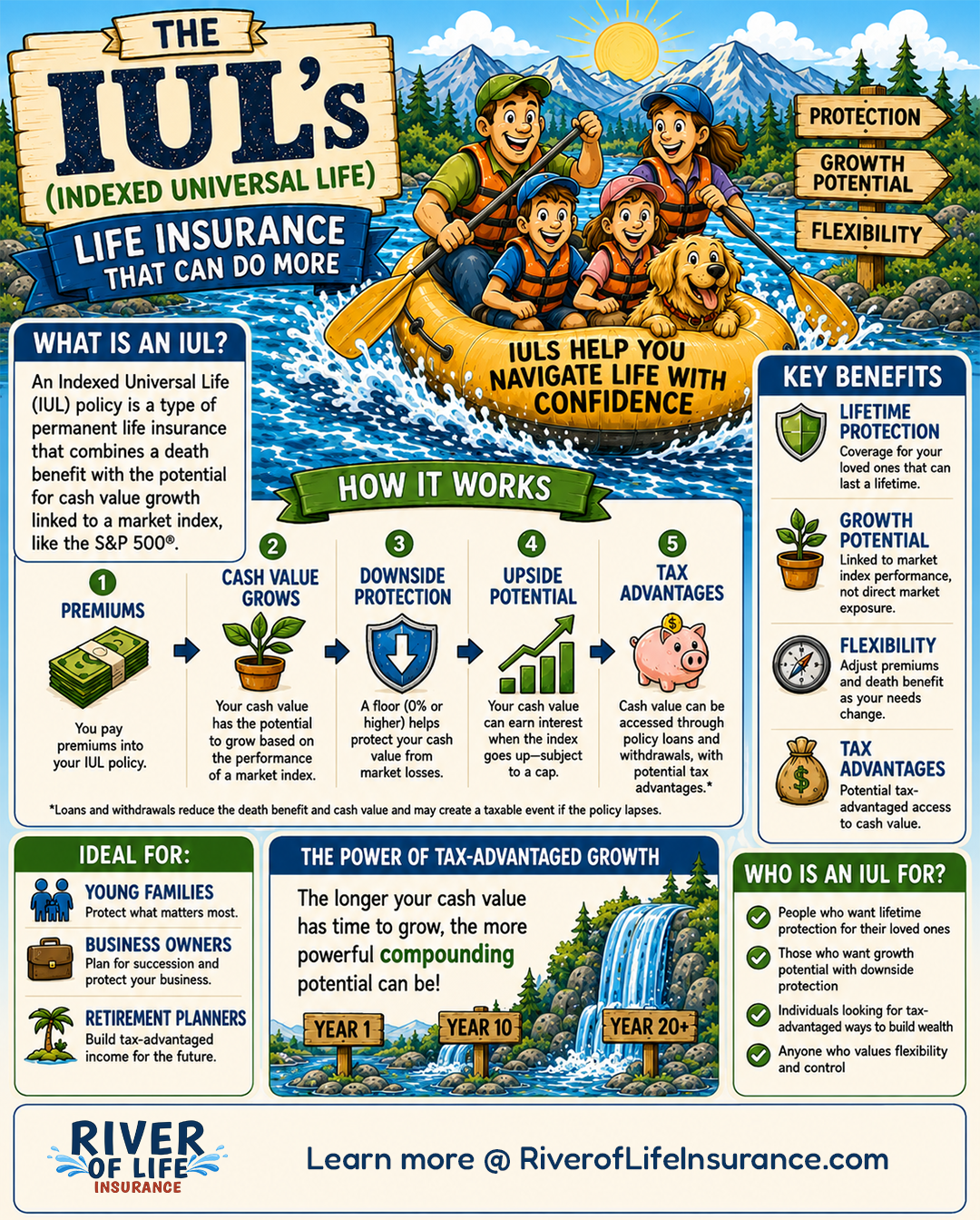
One feature that attracts people to cash value life insurance is the ability to borrow against an eligible policy.
But a policy loan does not work exactly like withdrawing money from a bank account.
Understanding the mechanics is essential.
What Is a Policy Loan?
When you take a policy loan, the insurance company generally lends you money using the value in your policy as collateral.
You are not necessarily withdrawing the exact dollars that remain credited inside the policy.
The details vary substantially by carrier and policy type.
Do You Have to Qualify for the Loan?
Policy loans are generally based on available policy value rather than traditional consumer credit underwriting.
That can mean:
- No conventional credit application
- No income verification for each loan
- No traditional loan approval process
However, the amount available depends on the policy.
You cannot borrow unlimited amounts.
Does a Policy Loan Charge Interest?
Yes.
Policy loans accrue interest.
The interest rate and how the loan interacts with policy crediting depend on the specific insurance contract.
Different policies may use different loan structures, so assumptions should never be made based on another company’s product.
Do You Have to Repay It?
Life insurance policy loans often do not have a traditional monthly repayment schedule.
That does not mean repayment is irrelevant.
Outstanding loans and accrued interest can reduce policy value and death benefit.
If borrowing becomes too aggressive, the policy may eventually become unsustainable.
What Happens If You Die With a Loan Outstanding?
Generally, the outstanding loan balance and applicable interest are deducted from the amount ultimately available under the policy.
For example, if a policy had a death benefit and a substantial outstanding loan, beneficiaries would generally receive less than they would have received without the loan.
The exact calculation depends on the contract.
What Is the Biggest Risk?
One of the most serious risks is a policy lapse with an outstanding loan.
If a life insurance policy with significant gain terminates while loans remain outstanding, the owner may face a taxable event even though there may be little or no cash left to receive.
This is one reason heavily loaned policies need to be monitored carefully.
Why Do People Use Policy Loans?
Possible uses include:
- Business opportunities
- Real estate
- Emergency expenses
- Education expenses
- Major purchases
- Supplemental retirement income strategies
The ability to access policy value can provide flexibility.
But flexibility is not the same thing as unlimited liquidity without consequences.
Policy Loan Strategies Require Management
Policy illustrations frequently show attractive long-term borrowing scenarios.
Illustrations are projections, not promises.
Actual results may differ because of:
- Interest crediting
- Policy expenses
- Loan interest
- Changes in crediting terms
- Premium funding
- Timing and size of withdrawals or loans
A long-term distribution strategy should be stress-tested and reviewed regularly.
The Bottom Line
Policy loans can be an important feature of permanent life insurance.
Used responsibly, they can provide access to liquidity while allowing the policy to remain in force.
Used carelessly, they can undermine the very policy they were intended to leverage.
The better question is not simply, “Can I borrow from my policy?”
It is:
How much can I access while keeping the policy healthy enough to accomplish its long-term purpose?